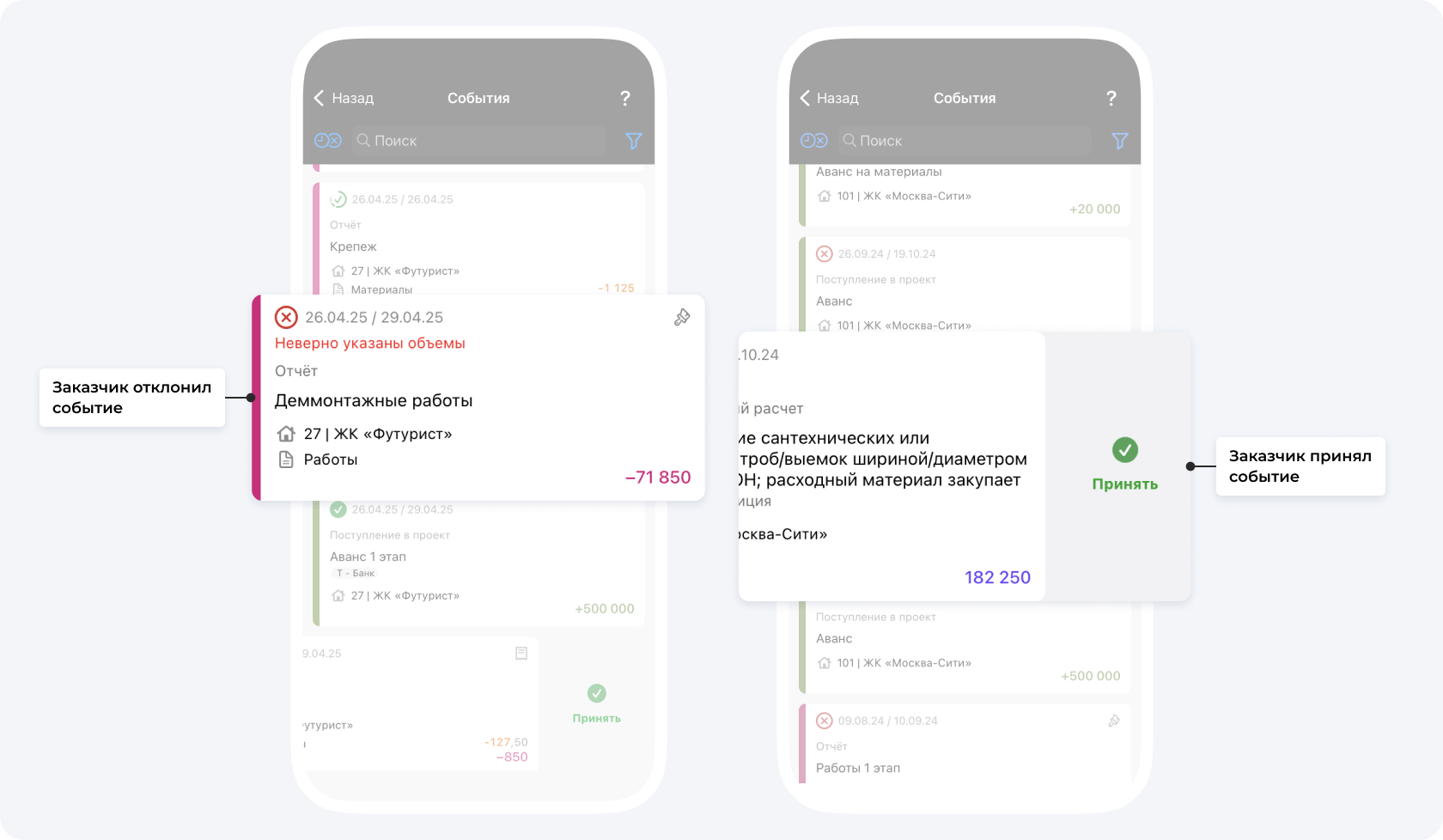
If the contract calls for both forms, КС-2 (KS-2) records which work the client accepted and in what quantities. КС-3 (KS-3) shows the cost of completed work and related expenses for the reporting period. The contractor checks the statement against the certificate, and the client checks the amount payable under the contract.
Contents:
What КС-2 records
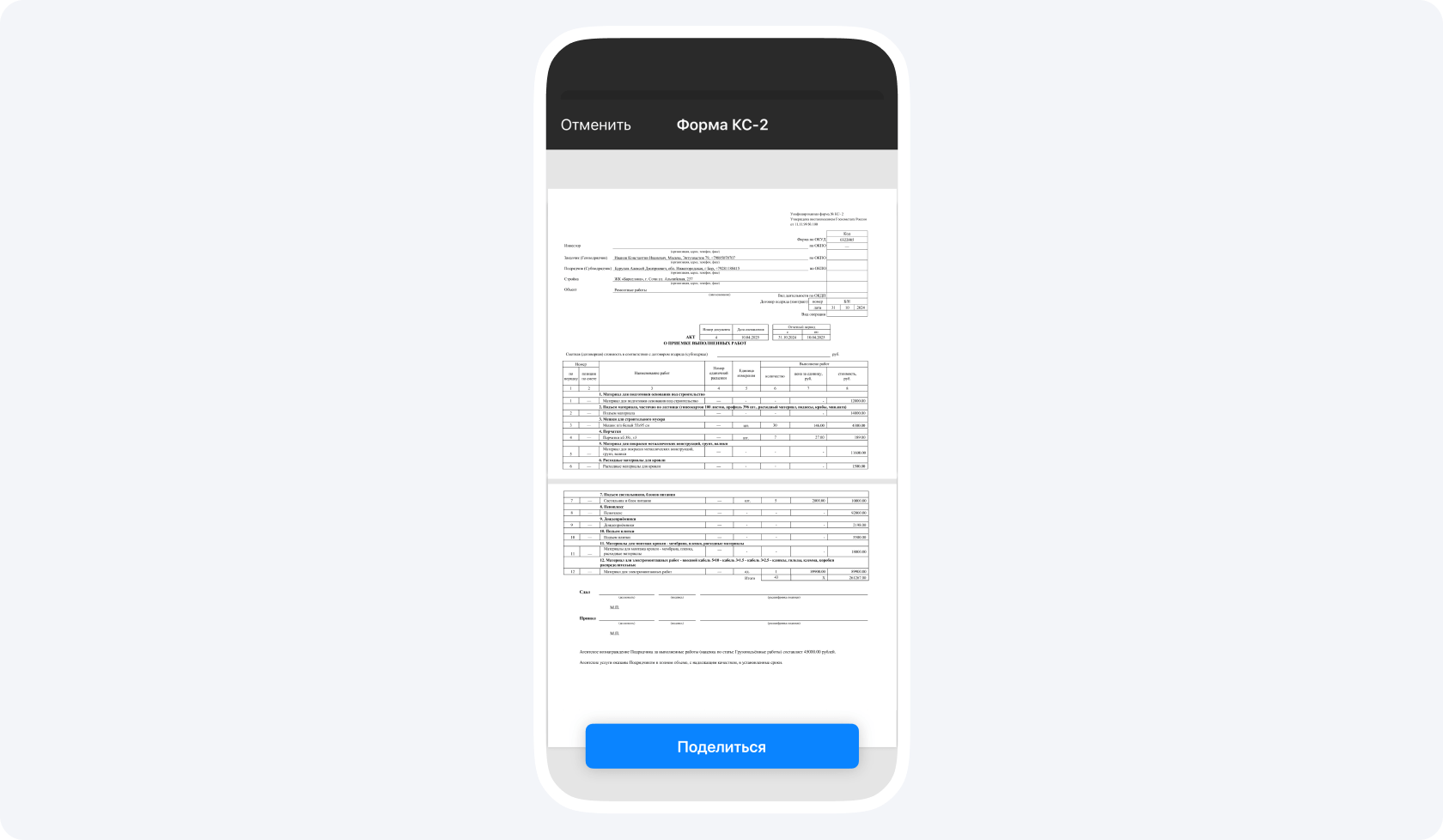
КС-2 is a standard Russian certificate for the acceptance of completed work. The contractor lists each item, its unit of measurement, the quantity completed and the cost. The client checks the entries against the work actually done to record the quantities they accept. Check each item against the work completed during the relevant period.
What КС-3 shows
КС-3 is a standard Russian statement of the cost of completed work and related expenses. When the parties use both forms, the contractor takes the details of the accepted work from КС-2, adds up the costs for the reporting period and checks the total. The client checks that total against the acceptance certificates and pays within the time and in the manner set by the contract and applicable rules.
For example, one line on КС-2 shows 10 m² of cladding at ₽1,500 per m². The line costs ₽15,000. КС-3 includes that cost in the period totals. The amount to transfer follows the payment terms, which account for any advance payment if the contract provides for one.
Main differences between КС-2 and КС-3
| Criterion | КС-2 | КС-3 |
|---|---|---|
| Document type | Acceptance certificate | Cost statement |
| What the client checks | Completed work items, quantities and costs by line | Cost of work and related expenses for the period and cumulative totals |
| Role in the document set | Records acceptance of the listed work | Summarises costs for payment under the contract |
When КС-2 and КС-3 are needed
Resolution No. 100 of Russia’s State Statistics Committee (in Russian) approved the forms. Under a construction contract, the parties record handover and acceptance in a certificate pursuant to Article 753 of the Russian Civil Code (in Russian). Since 2013, the standard forms in the official collection have generally been optional. Check the contract and any applicable special requirements to see whether a particular form is required. If you use your own form for a primary accounting document, check the mandatory particulars under Article 9 of Russian Federal Law No. 402-FZ (in Russian) and consult the Russian Ministry of Finance’s guidance on choosing a form (in Russian).
Before work starts, agree on the documents, the reporting period and how they will be signed, for example monthly or by stage. Before sending them, check the project site, the period and the details of the accepted work. The contract and applicable rules, including Article 746 of the Russian Civil Code (in Russian), determine the amount, timing and procedure for payment under a construction contract.
Which documents 101 generates
In the web version of 101, open the project’s Documents section to export Form КС-2 or a certificate of completed work (guide in Russian). Select the period and check the line items, amounts and document details before sending it for signature. For КС-2, also check the selected expense category. If the contract requires КС-3, prepare the statement separately using the agreed procedure.
If the client has the relevant project access (guide in Russian), they can review the available information on work progress. Whether they can accept an event in 101 (guide in Russian) depends on their permissions and the event’s status. The parties sign the final documents according to the procedure they agreed on for acceptance.