
In a project-based business, the number of projects and transactions can grow while it becomes increasingly difficult to determine the financial result of each site. Data remain in spreadsheets, chats and folders of receipts; decisions are already being made while someone is still consolidating those records manually.
A management accounting system links records to a project, category, date and supporting documents. Completed work and incurred costs, actual receipts and payments, obligations and calculated profit remain separate measures. Reports are useful when transactions have been recorded in full, classified correctly and reconciled with source documents, bank records and cash records.
Contents:
- Why does a project-based business need a management accounting system?
- How can you make recording costs a habit?
- What counts as a project expense?
- How should you manage a project budget?
- Which three reports do you need for management?
- Who enters the data, and how do you introduce working procedures?
Why does a project-based business need a management accounting system?
On one site, the foreman bought consumables, the manager paid for delivery, the client transferred an advance and the subcontractor requested an additional payment. If that information stays only in messages, you will learn the overall result after you have made your next decision.

The illustration conveys the problem of scattered records; it does not show actual company documents.
For each project, it is useful to answer four questions separately: how much money has actually come in, how much has been paid out, which obligations have already been accepted and what preliminary financial result is indicated by confirmed work and costs. The last measure depends on the completeness of the records and may change after project stages are closed.
If the result is calculated only after the site is handed over, cost overruns, outstanding advances, debts and unpaid stages are discovered late. An interim margin assessment helps identify them sooner, but it does not turn calculated profit into cash freely available in the account.
In 101, an estimate, work report, receipt and transfer (in Russian) represent different events. The project balance (in Russian) is the difference between recorded receipts and expenses; it is not the same as profit, cash held by a participant or the balance of a bank account. Reconcile project records with actual money and obligations.
How can you make recording costs a habit?
Collect data where the event occurs: record a purchase, completed work or an actual payment at the site. In your records, distinguish completed work, actual receipt of money and transfer of funds; a work report may be created before payment. The purpose of each event type is explained in 101 Help (in Russian).
Putting this off until the evening or the end of the week leads to lost receipts and vague entries labelled “other”. Your team needs a short procedure: specify the project, category, date, amount, responsible person and basis for the transaction; attach the available supporting evidence and mark the verification status.
If a document or required detail is not yet available, keep the actual transaction or obligation in the records, mark it “requires verification” and assign someone to reconcile it. The absence of a record or receipt does not undo completed work or an actual cash outflow. For statutory accounting in Russia, properly prepared source documents with the mandatory details are required under Article 9 of Russian Federal Law No. 402-FZ (in Russian); photographs or a comment alone may be insufficient.

This is an illustration of checking a receipt, not a screenshot of the 101 interface. Check recognised or manually entered information against the document itself and the transaction.
For funds advanced to staff for business expenses, determine the project and purpose of the advance, the reporting deadline, who confirms the report and how the remaining balance is reconciled in advance. When project events are collected in one place, it is easier for the team to maintain this rhythm. For advice on building the habit, see “Eat That Frog!”: how to introduce the 101 App without putting it off (in Russian).
What counts as a project expense?
If category names change from one purchase to the next, identical transactions fall into different groups and comparisons between projects lose their meaning. Approve a list that reflects the economics of the work; add detail only where it affects a decision.
- Materials — items incorporated into the site and its estimate.
- Work — the cost of labour provided by crews, tradespeople and other workers, broken down by stage; distinguish the date a cost is incurred from the payment date.
- Subcontracting — the cost of work by individual contractors, linked to a contract and stage.
- Logistics — delivery, lifting, removal and transport.
- Tools and consumables — purchases used to carry out the work that are not part of the materials incorporated into the site; establish rules for allocating them between projects in advance.
- Overheads — office expenses, communications, services, accounting and advertising; record them separately from direct project costs and allocate them only according to an agreed rule.
Document examples of classification: classify delivery of materials as logistics; classify tools used across several sites as overheads or allocate them using an approved allocation basis; link subcontractor work to its contract and stage. Review the rules at month-end while preserving comparability with previous periods.
How should you manage a project budget?
An estimate is a preliminary calculation of work and materials. A project budget links planned revenue and costs by category to responsible people and stages. To answer “will there be enough money by a specific date?”, you need a separate payment calendar showing the actual cash balance, expected receipts and payments.
Keep three layers in your working budget: planned amounts, actual completed and confirmed work and incurred costs, and obligations that have already been agreed but still need to be fulfilled. Within the actual figures, show separately what has been paid and what remains owed. A receipt from a client, recognised revenue, an expense and a payment may fall on different dates.
An obligation shows the future burden before payment becomes due. It helps you identify the risk of a cash shortfall in advance; the shortfall itself occurs when available money is insufficient on the date a mandatory payment is due. Agree any postponement of a supplier payment with the supplier and document it under the contract. Salary and tax deadlines cannot be changed by a management decision alone: comply with legal requirements and, for a tax deferral or instalment arrangement in Russia, follow the established procedure of Russia’s Federal Tax Service (in Russian) and wait for its decision.
Once a week, reconcile accrued costs, amounts paid, new obligations and the calendar for the coming weeks. If an expected client payment has not been confirmed, test a delayed-payment scenario. A detailed approach to planned amounts, actual figures and obligations is described in “How to plan and manage a project budget” (in Russian).
If you want to configure roles, categories and a review rhythm for your projects, you can explore the system in a meeting with an expert.
Which three reports do you need for management?
Three basic management reporting views help analyse financial performance, cash movements and the company’s financial position. They answer different questions and require consistent accounting rules; records in the app alone do not guarantee a complete set of company-wide reports.
The P&L, or profit and loss statement, shows revenue, costs and the result for a period under the chosen recognition model. Comparisons across projects and business areas help assess margins and adjust prices or processes. The interim result depends on confirmed work, the cost of that work and complete allocation of overheads; it is not the same as a cash balance.
An actual cash flow report shows receipts, payments and the change in cash that have occurred during a period. To identify a possible future shortage, maintain a forecast cash flow report or payment calendar: for your chosen horizon, for example four–six weeks, enter the expected dates and amounts for salaries, taxes, rent, materials, contractors and receipts. Do not treat a disputed payment as guaranteed.
A management balance sheet describes assets, liabilities and equity on a given date: available cash, accounts receivable, inventories and other assets are compared with amounts owed to contractors, client advances and other obligations. Reconcile staff expense advances against actual remaining balances and documents. A project or Company Fund balance in 101 does not replace a balance sheet for the whole company.
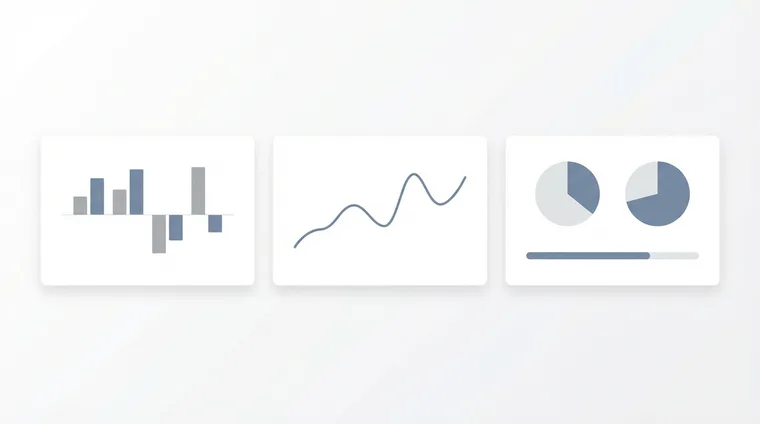
The cards are a diagram of three types of analysis, not a 101 screen. Specific types of data are available in 101: planned versus actual cost and profit for the selected project (in Russian), project records and balance, and records of Company Fund transactions (in Russian). Preparing a complete P&L, actual and forecast cash flow reports and a company-wide balance sheet may require separate data consolidation and reconciliation. Access to individual sections depends on the subscription plan and user permissions.
For guidance on introducing these reports, see “Management accounting in Belarus in 2026” (in Russian): it describes an accounting model, working rhythm and reconciliation. The article concerns a different jurisdiction; its rules cannot automatically be applied to a Russian company.
Track the payroll budget separately. In a project-based business, payments to the team can place a substantial burden on the calendar. Account for accrued amounts and mandatory payment deadlines; for the components of the payroll budget, see “How to build a payroll budget” (in Russian).
Who enters the data, and how do you introduce working procedures?
Working procedures establish who is responsible and the deadlines for entering records. Events occur at sites, so it is convenient for the people doing the work to record them and for the person responsible for accounting to check them afterwards. If records appear only at month-end, current figures remain incomplete.
Try a two-week pilot on one project as a practical starting point, if the volume of transactions allows. This is not a guaranteed implementation timeframe: complex document workflows and the number of participants may require more time. Once you have tested the rules, apply them to other projects.
- Choose one site, create it as a project and assign people responsible for receipts, purchases, work reports and confirming records.
- Approve an initial list of categories and rules for allocating direct costs and overheads.
- Set a deadline for recording events, for example on the day of the transaction, and a deadline for checking them. Prepare documents according to the nature of the event, contract terms and legal requirements; document acceptance of a stage using the established procedure, without postponing the recording of a payment that has already occurred.
- Set up staff expense advances: who receives money, for what purpose, when they report, which documents they provide and how the remaining balance is reconciled.
- Each week, reconcile confirmed project events, the project’s recorded balance, actual money, obligations and the following week’s payments.
- Close the management P&L every month using confirmed data and check categories where unclassified amounts have accumulated.
If you are choosing between CRM and financial accounting, check the problem you currently need to solve. CRM supports sales; accounting shows project economics. Growth in orders without control over obligations and payments may increase the risk of a cash shortfall. Read more in “Do you need CRM? Accounting first, sales automation later” (in Russian).
Keep business money and the owner’s personal spending separate in records and supporting documents. Mixing them makes performance harder to assess and may prompt the bank to question individual transactions; the consequences depend on the circumstances. If you operate as an individual entrepreneur in Russia, see “How an individual entrepreneur can legally withdraw money for personal needs” (in Russian).
Once the pilot works on one site, extend the tested rules to your project portfolio and assess the need for more advanced analytics. Check PRO+ features and access to specific sections against the current subscription plan and user permissions; a subscription plan alone does not replace reconciliation.
If you want to introduce these procedures together with your team, training can help align roles and settings.
A management accounting system consists of timely records, clear categories, a budget with obligations, a payment calendar, three reporting views and regular reconciliation. Together, these provide a basis for decisions on current projects while preserving the distinction between calculated profit, recorded balances and available money.